Why Today's Security Services Are Critical in the Modern Risk Climate
Within today's quickly shifting risk environment, you must not disregard modern security services. Cybersecurity dangers are more complex than ever before, and physical breaches can cripple your business. With economic impacts and reputation deterioration on the line, it's essential to recognize how thorough security solutions protect your interests. But what exactly makes these services essential? Let's examine the components that can protect your organization from evolving threats.
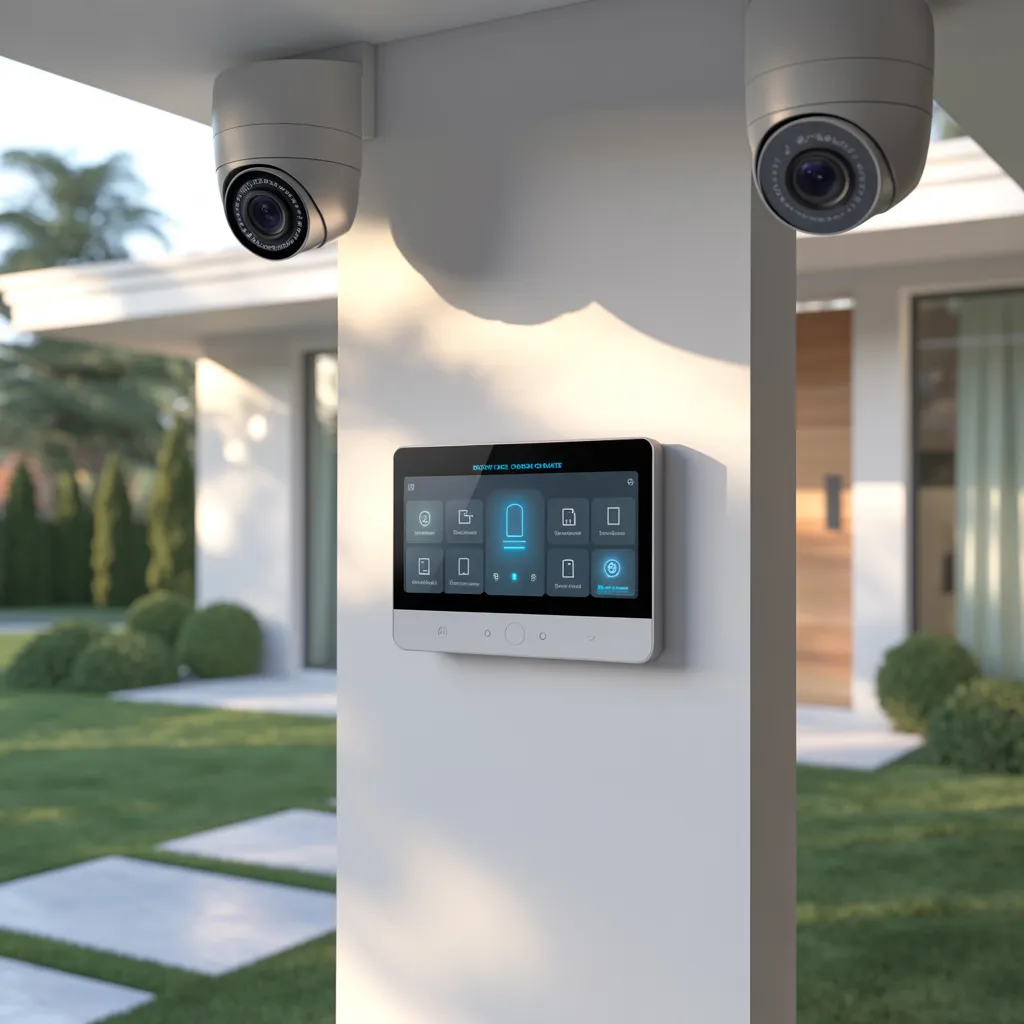
The Changing Security Environment: Understanding Contemporary Risk Factors
As companies traverse an ever more intricate landscape, understanding modern security needs becomes vital. You face a landscape filled with diverse threats, spanning material violations to technological exposures. Recognizing these evolving risks helps you proactively safeguard your assets. You require analyzing your particular exposures and order security solutions that tackle them successfully.

Investing in extensive security solutions can bolster your defenses, ensuring that you're ready for whatever challenges emerge. Regular training and awareness programs for employees are crucial, as human error often plays a significant role in security breaches. By keeping up with current trends and technologies, you can modify your strategies accordingly. Ultimately, a proactive approach to security isn't just about protection; it's about building trust and resilience within your organization.
In What Ways Do Cyber Threats Impact You and Your Business?
Cyber incidents can impact your company significantly, bringing about substantial monetary damages and unexpected costs. They also put at risk your reputation and weakening customer trust, which can need considerable time to recover. Moreover, navigating the complications of legal regulations becomes considerably more complex in the event of a cyberattack.
Monetary Impact of Cyber Attacks
When your business faces a cyber attack, the financial impacts can be severe. You might encounter immediate costs for recovery efforts, including hiring cybersecurity professionals and repairing damaged systems. Furthermore, there are often hidden costs like lost productivity and disrupted operations that can remain long after the attack. You could also face legal fees if sensitive customer information is compromised, leading to potential lawsuits and fines. Your insurance premiums may go up, adding to your long-term expenses. If you work with third-party vendors, their vulnerabilities could also impact your financial stability. Eventually, the cumulative effect of these factors can severely strain your budget, making it essential to invest in robust security services to mitigate these risks and protect your bottom line.
Damage to Reputation and Trust
Trust is a fragile commodity in today's digital landscape, and a cyber attack can shatter it in an instant. When attackers compromise your systems, the consequences can be catastrophic. Clients may lose confidence in your capacity to safeguard their data, causing a reduction in business. You might find that negative publicity circulates rapidly, harming your business reputation. Once trust is lost, it demands substantial time and effort to rebuild. Your competitors may capitalize on your misfortune, further weakening your market position. It's vital to realize that the ramifications of a security threat go beyond immediate financial losses; they can profoundly affect your long-term relationships with customers and partners. Adopting advanced security services is critical for safeguarding your reputation and ensuring trust remains strong.
Challenges in Regulatory Compliance
As businesses increasingly rely on digital operations, managing regulatory compliance becomes a formidable challenge, especially in light of cyber threats. You face a persistent challenge to stay updated with constantly changing regulations like GDPR or HIPAA, all while ensuring your systems are secure. A single data breach can not only result in substantial penalties but also damage your reputation. Compliance doesn't just mean marking checkboxes; it requires a forward-thinking method to security, engaging with continuous monitoring and risk assessments. The pressure to protect sensitive information can feel daunting, but investing in modern security services can help you navigate these complexities. With the right support, you can secure your company and maintain compliance, allowing you to focus on growth instead of fear.
The Importance of Physical Security Today
In our current environment, the threat landscape is constantly changing, making physical security more critical than ever. You need solid access control measures to secure your assets and guarantee only authorized individuals can enter your premises. Ignoring physical security could leave your business exposed to risks that can quickly intensify.
Shifting Cyber Threat Arena
Although the digital age has transformed how we engage and conduct business, it has also led to an increasingly complex threat landscape that calls for robust physical security measures. You shouldn't dismiss the fact that threats now originate from numerous sources, including organized crime, cybercriminals, and even disgruntled employees. As technology progresses, so do the tactics leveraged by those aiming to cause harm. Your business premises are susceptible to physical breaches that can compromise sensitive data and crucial assets. By emphasizing physical security, you ensure a safer environment for staff and clients equally. Investing in surveillance systems, security personnel, and emergency response plans is critical. Ultimately, staying ahead of these emerging threats is critical for maintaining your organization's integrity and reputation.
Importance Of Implementing Access Control
Access control functions as a cornerstone of effective physical security, guaranteeing that only authorized individuals can gain entry to specific areas within your organization. By implementing strong access control measures, you can safeguard sensitive information and assets from unauthorized Security Services access. Whether through key cards, biometrics, or security personnel, these systems allow you to manage who can enter, when, and for how long.
In today's risk landscape, where threats evolve rapidly, it's essential to modify your access control approaches. Physical security both deters intruders but also creates a risk-free environment for personnel and guests. By focusing on access control, you show your devotion to protection and safety, safeguarding your organization's operational integrity and reputation. Never discount the importance of these measures in your comprehensive security strategy.
Vital Elements of Extensive Security Services
Complete security services rely on several vital components that work together to create a strong protection framework. First, risk assessment helps identify vulnerabilities and prioritize threats, making certain your resources focus where they're needed most. Next, integrated technology, such as surveillance cameras and access control systems, supplies real-time monitoring and data collection. Training personnel to recognize security issues is also critical; well-prepared staff can act swiftly in emergencies. Additionally, incident response plans are critical for minimizing damage when breaches occur. Finally, regular audits and updates ensure your security measures adapt to evolving threats. By incorporating these components, you'll create a robust security service that effectively protects your assets and enhances overall safety.
Is It Worth Investing in Security Services?
Investing in security services can feel difficult, especially with numerous options accessible. However, when you weigh the advantages, it's evident that security services are a valuable investment. They deliver peace of mind, knowing that your property, employees, and customers are secure. With the rise of cyber threats and physical security vulnerabilities, having a comprehensive security system has become essential; it's a requirement.
In addition, a quality security service can avoid potential losses and lower liability, ultimately saving you money in the long run. Contemplate the value of your reputation—security breaches can damage it irreparably. By employing security services, you're not just securing your business; you're building its future. It's a smart move you won't regret.
Picking the Right Security Service for Your Requirements
How can you identify which security service is suitable for your specific needs? Begin by analyzing your risks and vulnerabilities. Identify what assets you need to secure—whether it's physical property, data, or personnel. Next, examine the type of security service that aligns with your situation. Do you need armed guards, surveillance systems, or cybersecurity solutions? Consider your budget and the level of expertise essential. Investigate potential providers, looking for reviews and their experience in your industry. Don't be reluctant to ask questions about their protocols and technologies. Finally, make sure the service can respond to your growing needs. By taking these steps, you'll be well-positioned to pick a security service that provides effective protection adapted to your unique circumstances.
Future Trends in Security: Anticipated Changes in Security Services
As technological advancements progress, protection services must transform to tackle developing dangers and issues. You can anticipate an increased emphasis on artificial intelligence-powered security solutions, which can assess information in real-time to spot unusual patterns and stop security breaches before they escalate. Moreover, the increase of remote work will push for more comprehensive cybersecurity measures, making certain that sensitive information remains safeguarded outside traditional office environments. Biological authentication and facial recognition will likely become standard features, bolstering access control. Furthermore, implementation of IoT devices in security systems will improve monitoring processes. As these trends develop, it's essential to stay informed and prepared to leverage new technologies to secure your assets efficiently. Embracing these changes will be vital for ensuring your security remains solid.
Common Questions
How Should I Analyze My Present Security Gaps?
Commence by undertaking a thorough security audit, identifying vital assets and prospective threats. Review your present measures, engage your team for input, and consider using vulnerability assessment tools to detect weaknesses requiring immediate attention.
Which Certifications Should I Search for in Security Service Providers?
Check for certifications including copyright Security Professional (copyright), Certified Information Security Manager (CISM), and Security+ in security service providers. These certifications prove their competence and pledge to maintaining high security standards for your company.
How Frequently Must I Update My Security Protocols?
You must update your security protocols no less than once a year, or each time major changes happen in your organization. Consistent reviews help identify vulnerabilities, guaranteeing your protections stay robust against emerging threats and prospective risks.
What Is the Cost Range for Comprehensive Security Services?
Complete security services typically cost between $1,000 and $10,000 per month, depending on your business needs and the scope of your organization. It's crucial to assess your unique needs to secure an accurate estimate.
What Can Employees Do to Contribute to Workplace Security?
You're able to contribute to workplace security by being watchful, flagging unusual activity, observing safety measures, joining training sessions, and encouraging open communication with coworkers. Your forward-thinking mindset helps build a safer work environment for all employees.